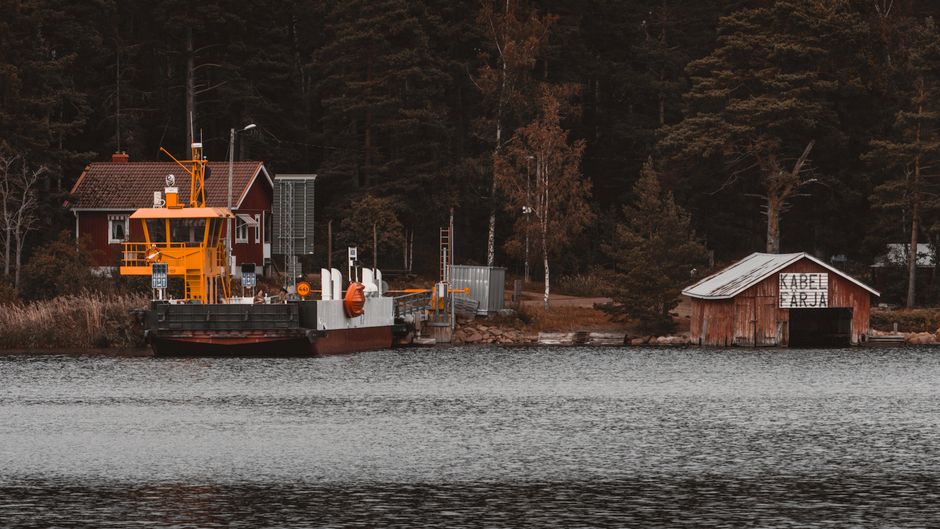
The Åland archipelago sits at one of the most historically trafficked crossroads of the Baltic Sea, with centuries of shipping routes passing between Sweden and Finland. Beneath its calm, island-sheltered waters lie the remains of vessels from many different eras, making wreck diving in Åland a compelling reason to visit for underwater explorers.
Why the Baltic Preserves Wrecks So Well
The Baltic Sea has unusually low salinity compared with the open ocean. This brackish environment slows the growth of wood-boring organisms that would otherwise destroy timber hulls within decades. As a result, wrecks in Åland's waters can survive in remarkable condition for a very long time. Visibility and conditions vary by season and location, so it is always worth checking current conditions locally before you plan a dive.
What to Expect When Diving in the Åland Archipelago
The archipelago is made up of thousands of islands, skerries and passages, many of which were historically challenging to navigate. This geography means wrecks can be found at a wide range of depths, from shallow inshore sites accessible to recreational divers to deeper sites that require advanced certification and planning.
- Skill levels: Sites suitable for different experience levels may be available in the area, but always verify with a qualified local dive guide before entering the water.
- Water temperature: The Baltic can be cold even in summer at depth, so a drysuit or well-fitted wetsuit is strongly recommended.
- Access: Many sites are only reachable by boat. Local operators and dive clubs can advise on access and logistics.
- Protected sites: Some wrecks in Ålandic waters carry heritage protection. Removing artefacts is illegal. Always dive as a respectful visitor.
Planning Your Wreck Dive Trip to Åland
Åland has an active maritime culture and a number of local clubs and enthusiasts with deep knowledge of the surrounding waters. For the most up-to-date information on dive sites, boat charters, equipment hire and guided trips, the best approach is to contact the Åland tourist office or reach out to local diving associations before your visit. They can point you toward current operators, seasonal conditions and any regulations that apply to specific sites.
The summer months roughly June through August offer the most comfortable surface conditions and the longest daylight hours, which is practical when diving from small boats in the archipelago. Spring and early autumn can also offer good underwater visibility in some areas, though surface weather can be less predictable.
Mariehamn, the capital of Åland, is a natural base for exploring the archipelago and a convenient starting point for reaching many dive locations by boat.
Frequently Asked Questions
Q: Do I need a special permit to wreck dive in Åland?A: Some wrecks may carry heritage protection under Finnish or Ålandic law, which can restrict touching or removing objects. Regulations can change, so check with local authorities or your dive operator before planning a specific dive.
Q: Can beginners go wreck diving in Åland?A: Some shallower sites in the area may be suitable for less experienced divers, but this depends on the specific location, current conditions and operator assessment. Always dive within your certification level and consult a local guide.