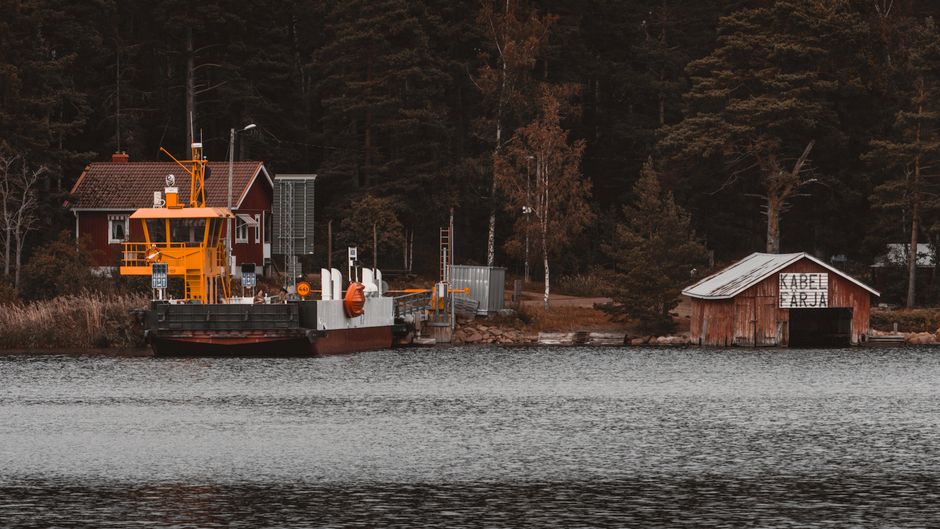
Åland's unique political status is the reason duty-free shopping exists on Baltic Sea ferries at all. As an autonomous, demilitarised region outside the European Union's VAT and excise duty area — even though Finland is an EU member state — a vessel that calls at an Åland port qualifies as an international voyage for customs purposes. That legal quirk has shaped Baltic ferry travel for decades, and it is one of the first things many passengers mention when asked why they chose the route.
How the Duty-Free Rules Work
Because Åland sits outside the EU customs union, ferries travelling between Sweden and Finland — or between either country and Åland itself — can sell alcohol, tobacco and other goods free of local VAT and excise duties, provided the ship calls at an Åland port during the crossing. The savings on alcohol and tobacco in particular can be significant compared to mainland prices, which is why the onboard shops tend to be busy, especially on evening departures.
Allowances and regulations can change, and individual ferry operators set their own policies on top of the legal framework. Before you travel, check the current rules directly with your ferry company and with the relevant customs authorities for your destination country. Bringing large quantities of duty-free goods into Sweden or Finland is subject to import limits that are enforced on arrival.
What You Can Typically Expect Onboard
Onboard shops on the main Åland routes generally stock:
- Alcohol — wine, beer and spirits are usually the biggest draw, with prices well below what you would pay ashore in either Sweden or Finland.
- Tobacco products — cigarettes and other tobacco goods are commonly available at duty-free prices.
- Perfume and cosmetics — a standard duty-free range from mainstream brands.
- Confectionery and food items — chocolates and local or Scandinavian food products are often stocked.
- Souvenirs and clothing — some ferries carry a wider retail selection beyond the classic duty-free categories.
Stock, brands and opening hours vary by operator and by vessel. Larger flagship ships tend to have more extensive shops than smaller regional ferries.
Planning Your Ferry Stop in Åland
Many passengers treat the ferry itself as part of the experience rather than just a crossing. If you are planning to spend time in Åland rather than simply sailing through, Mariehamn — the capital — has its own shops, restaurants and harbour area worth exploring. The archipelago is well suited to cycling and day trips, so arriving by ferry and staying a night or two gives you a very different experience from the duty-free run that most day-trippers make.
Ferry schedules between Sweden, Åland and Finland are operated by several companies, with routes running out of Stockholm, Turku and other ports. Journey times and the length of time the ship spends in Mariehamn vary by route, so check timetables carefully if you want to step ashore.
Frequently Asked Questions
Q: Do I need to stop in Åland to get duty-free prices on the ferry?A: In most cases, yes — the duty-free status depends on the vessel making a call at an Åland port during the voyage. Routes that do not stop in Åland may not qualify for the same duty-free conditions. Check with your ferry operator before booking.
Q: Are there limits on how much duty-free alcohol I can bring home?A: Import allowances are set by the customs rules of your destination country and can change. Sweden and Finland both enforce limits on how much alcohol travellers may import. Check current allowances with the relevant national customs authority before your trip.